
Unraveling the intriguing history of gambling through the ages
Origins of Gambling in Ancient Civilizations
Gambling can be traced back to the ancient civilizations of Mesopotamia, where evidence suggests that dice were used as early as 3000 BC. These early games were not merely recreational; they often had ritualistic implications, intertwined with beliefs in fate and chance. Archaeological findings reveal that various cultures, including the Egyptians and Greeks, engaged in games of chance, using bones and stones, which laid the foundation for modern-day gambling. If you’re looking to explore the current landscape of gaming, visit monacojack.uk for a variety of engaging options.

The practice of gambling expanded with the advent of trading and commerce. In ancient China, the use of keno as a lottery-like game is well-documented, showcasing how gambling was integrated into societal structures. Notably, the Book of Songs, dating back to 1000 BC, references the use of gambling as a common activity, emphasizing its societal acceptance during that time. These early forms of gambling were crucial in shaping social interactions and community bonding.
As civilizations progressed, the regulation and organization of gambling began to take shape. In ancient Rome, gladiatorial games often included bets placed by spectators, indicating a blend of entertainment and wagering. The Roman Empire’s extensive trade routes allowed gambling to spread, leading to the establishment of more structured games and betting systems that would evolve into the gambling practices recognized today.
The Middle Ages and the Rise of Gaming Houses
During the Middle Ages, gambling underwent significant transformation as it became more formalized. The establishment of gaming houses, which could be viewed as the precursors to modern casinos, became increasingly popular across Europe. These establishments offered a variety of games, attracting individuals from various social strata. The allure of these houses was not merely in the games, but in the social environment they provided, creating a hub for community interaction.
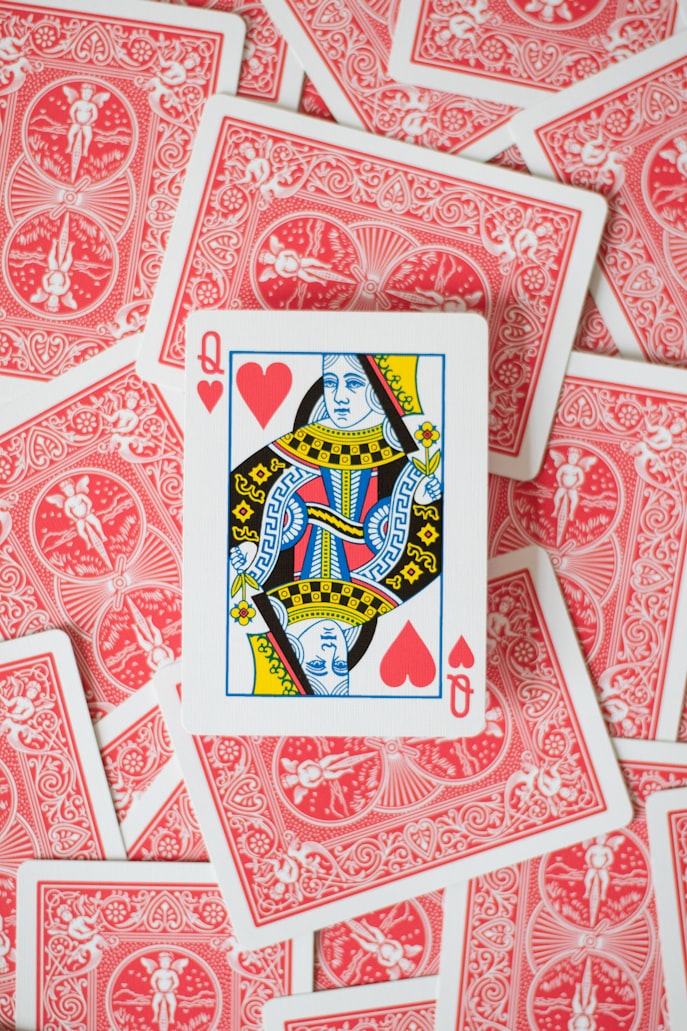
The rise of card games during this era marked a pivotal moment in gambling history. Originating in Asia, card games found their way to Europe in the 14th century. The adaptation of these games led to a flourishing gambling culture, especially in places like Italy and France. Games such as tarocchi and primero not only provided entertainment but also served as a means for social and political commentary, reflecting the values and issues of the time.
However, the growing popularity of gambling also led to societal concerns. The Church denounced gambling as sinful, and various laws were enacted to curb its influence. Despite this, the underground nature of gambling persisted, demonstrating its deep-rooted appeal. This complex relationship between gambling and morality would continue to shape its evolution in subsequent centuries.
The Age of Enlightenment and Legalization of Gambling
The Enlightenment period brought about significant changes in societal attitudes towards gambling. Intellectuals began to advocate for the regulation and legalization of games, recognizing their potential economic benefits. The establishment of official state lotteries, particularly in England and France, signaled a shift in how gambling was perceived. These lotteries funded public projects and garnered popular support, showcasing that gambling could serve a purpose beyond mere entertainment.
In the 18th century, the advent of the first official casinos in places like Venice and Baden-Baden marked a significant turning point. These luxurious establishments attracted affluent individuals, enhancing the prestige associated with gambling. The games offered were not only diverse but also sophisticated, catering to the tastes of the elite and setting the stage for the modern casino experience.
With the proliferation of gaming options, the emergence of betting on horse racing became a significant aspect of gambling culture. The establishment of organized races and betting pools created a new dimension of excitement and community involvement, further solidifying the role of gambling in society. As more regions began to recognize the economic potential of gambling, laws gradually shifted from prohibition to regulation, reflecting changing societal norms.
The Modern Era: Technology and Globalization of Gambling
The 20th century witnessed the transformation of gambling due to technological advancements and globalization. The introduction of electronic gaming machines and online gambling platforms revolutionized how people engaged with games of chance. The internet, in particular, allowed for the proliferation of online casinos, making gambling accessible to a global audience. This democratization of gaming changed the landscape, attracting millions of players who could now participate from the comfort of their homes.
Moreover, the rise of mobile technology further accelerated this trend, leading to the development of apps that allow users to gamble anytime, anywhere. This shift not only transformed the gambling experience but also raised new questions about regulation, safety, and responsible gaming. As the industry expanded, jurisdictions around the world began to grapple with how to create fair and sustainable gambling environments while protecting players.
Alongside technological advancements, the emergence of gambling as a major form of entertainment has led to increased visibility and normalization. The rise of televised poker tournaments and celebrity endorsements further integrated gambling into popular culture. This acceptance is evident in various forms of media, from films to television shows, which depict gambling as a glamorous and thrilling activity, often overlooking its risks and potential consequences.
Exploring Online Gaming and Casino Platforms
Today, online gaming and casinos like MonacoJack offer players an extensive range of options, catering to diverse tastes and preferences. With thousands of games available, including slots and live dealer experiences, players can immerse themselves in a rich gaming environment. The user-friendly interface ensures that newcomers can easily navigate the platform while experienced players can enjoy advanced features and exclusive bonuses.
The commitment to responsible gaming is paramount in contemporary online casinos. MonacoJack emphasizes creating a safe and engaging environment by providing resources and tools to promote responsible gambling practices. This reflects a growing awareness within the industry about the importance of player protection and well-being, ensuring that gaming remains an enjoyable activity without negative impacts.
Furthermore, the competitive landscape of online gaming has driven innovation. Players can now take advantage of generous welcome packages, like those offered by MonacoJack, which may include substantial bonuses and free spins. This competitive edge not only enhances the gaming experience but also illustrates the evolution of gambling into a sophisticated and multifaceted industry that continues to adapt to modern needs and expectations.