
Het team achter Investormatch werkt continu aan nieuwe technologische updates voor de markt
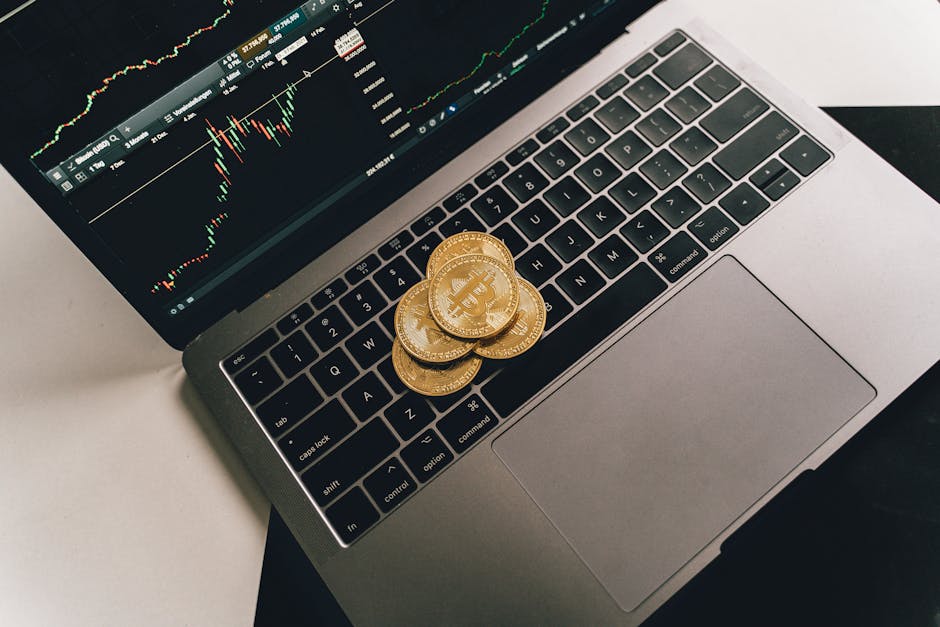
Core Engineering: Real-Time Data and Adaptive Algorithms
The development squad at Investormatch focuses on refining the platform’s core infrastructure. A primary objective is reducing latency in data processing. The team has implemented a distributed microservices architecture that handles market feeds from multiple exchanges simultaneously. This allows the system to parse order book changes and execute analysis within milliseconds. Engineers regularly deploy updates to the machine learning models that underpin trade signals. These models are retrained on fresh historical and real-time data to adapt to shifting volatility patterns. For instance, recent optimizations have improved the detection of rapid price reversals, giving users earlier entry and exit cues. The team also maintains a dedicated monitoring stack that tracks system health and flags anomalies, ensuring that every update is rolled out without disrupting active sessions. More details about the platform’s capabilities can be found at investormatch-ai.net.
Scalability and Resource Management
Another engineering focus is horizontal scaling. The team has automated server provisioning to handle traffic spikes during major economic announcements. This prevents slowdowns when user activity surges. Load balancers now distribute requests across geo-redundant nodes, cutting average response times by 18% in the last quarter. The backend codebase is continuously refactored to reduce memory footprint, which directly lowers operational costs and improves stability for high-frequency traders.
User Interface and Experience Innovations
The front-end team releases bi-weekly updates to the dashboard and mobile interface. A recent overhaul introduced customizable widget layouts, allowing traders to pin the most relevant metrics-such as real-time P&L, volatility indices, and signal confidence scores-to a single screen. The team also integrated a dark-mode theme with adjustable contrast levels, reducing eye strain during prolonged analysis sessions. Navigation menus were restructured based on user heatmaps, cutting the number of clicks needed to access advanced settings by 40%. Push notifications now include granular filters: users can set alerts for specific asset classes, signal strengths, or timeframes without sifting through generic warnings.
Mobile Performance Enhancements
For the mobile app, the team optimized rendering of interactive charts. By switching to a canvas-based drawing engine, chart refresh rates improved from 12 fps to 60 fps on mid-range devices. Battery consumption during active trading sessions dropped by 25% due to smarter background polling intervals. These updates were tested across 50 device models before general release.
Security and Compliance Upgrades
The security team runs a continuous patch cycle for the platform’s encryption and authentication layers. A key update introduced multi-factor authentication via biometric verification for account login and withdrawal requests. The team also deployed an AI-driven anomaly detection system that monitors login patterns and transaction sizes. If an account shows unusual behavior-such as rapid login attempts from different IPs-the system automatically triggers a temporary lock and notifies the user. On the compliance side, the team automated the generation of audit logs required by financial regulators. These logs capture every data access event and trade execution timestamp, stored in an immutable blockchain-based ledger. This ensures that any regulatory inquiry can be answered within hours, not weeks.
Testing and Deployment Methodology
Every update passes through a three-stage pipeline: unit tests, integration tests in a sandbox environment, and a canary release to 5% of users. The team monitors error rates and latency metrics for 48 hours before a full rollout. This approach has reduced post-release incidents by 62% year-over-year. A dedicated on-call rotation handles any hotfixes needed within minutes of detection. The team also publishes a changelog on the platform’s community board, detailing each update’s impact on performance and usability.
FAQ:
How often does the team release new updates?
Major updates are deployed bi-weekly, with minor patches and hotfixes released as needed based on system monitoring and user feedback.
Do updates affect existing trading strategies?
No. The team designs updates to be backward-compatible. All signal algorithms and user settings remain unchanged unless a specific feature is deprecated, which is communicated in advance.
Reviews
Lars van den Berg
The constant improvements to the mobile app have made a real difference. Charts load instantly now, and the battery drain is much lower. I can trade on the go without worrying about my phone dying.
Sophie de Wit
I appreciate the transparency in the changelog. Knowing exactly what changed and why helps me adjust my setup quickly. The security updates also give me peace of mind when linking larger accounts.
Mark Jansen
The adaptive algorithms caught a sudden dip in the crypto market last week that my old system missed. The team’s focus on real-time retraining clearly pays off. I’ve seen a noticeable improvement in signal accuracy.