
The evolution of casinos A journey through time and chance
The Origins of Gambling
The history of gambling dates back thousands of years, with evidence found in ancient civilizations such as Mesopotamia and China. These early forms of wagering often involved simple games of chance, where people would gamble on outcomes ranging from dice throws to the results of sporting events. If you’re interested in exploring online options, check out https://mrjackvegas-uk.com/welcome-bonus/ for exciting opportunities. The thrill of risking something of value for a potential reward has always captivated human nature.

As societies evolved, so too did the structures surrounding gambling. By the time of the Roman Empire, games of chance became more organized, with dedicated spaces for betting and entertainment. This marked the beginning of gambling as a social activity, paving the way for future establishments dedicated entirely to this pursuit.
The Rise of Modern Casinos
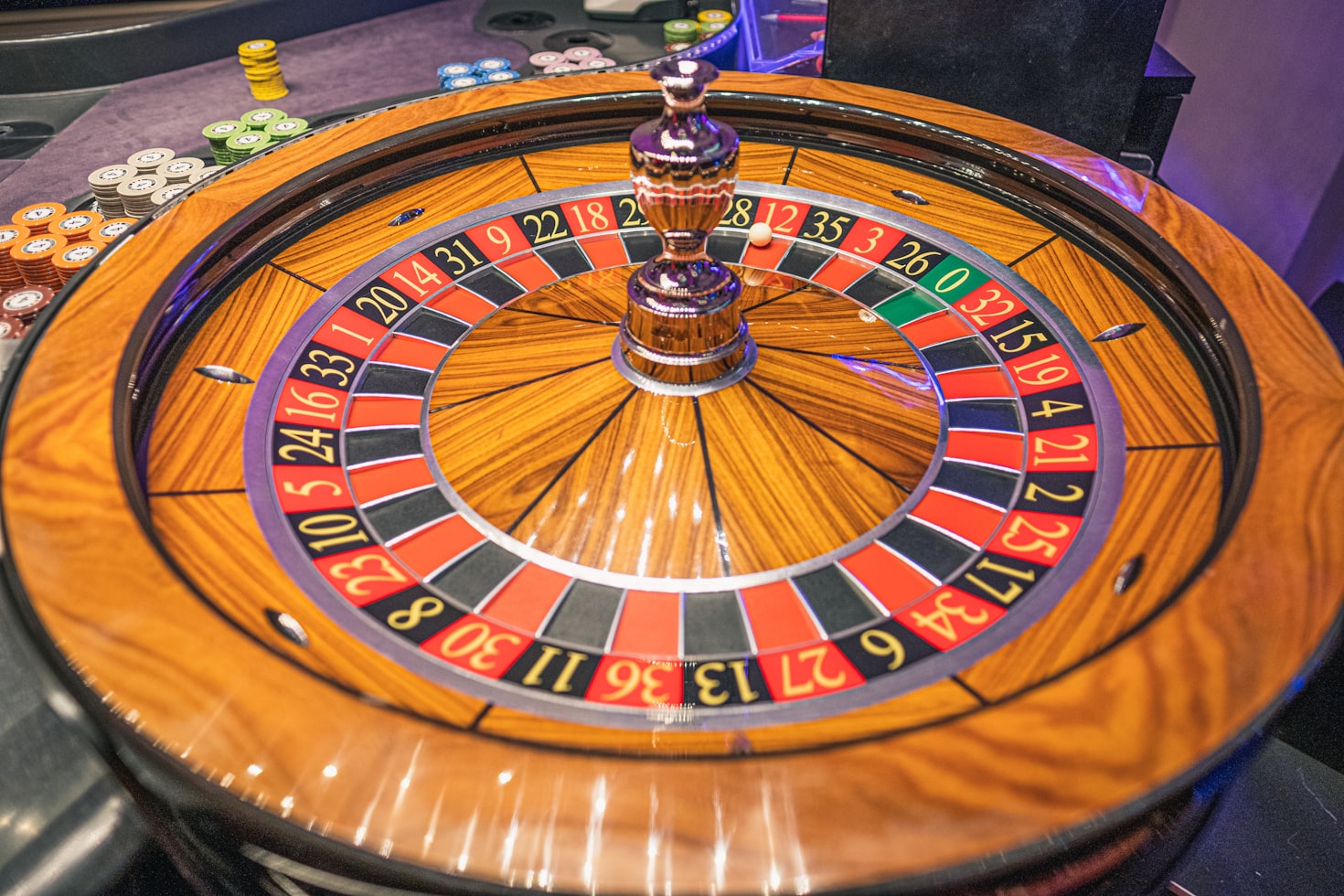
The 17th and 18th centuries saw the establishment of the first modern casinos in Europe, particularly in Italy and France. The word “casino” itself originates from the Italian term for a small house or lodge, where people would gather for leisure activities. These early establishments offered games like roulette and baccarat, attracting the elite and wealthy to their luxurious environments.
By the 19th century, gambling houses began to proliferate in various parts of Europe and America, evolving into the more recognizable casino model we know today. The glamour and allure of casinos attracted a diverse clientele, transforming them into cultural icons of entertainment, where chance and fortune intermingled.
The Influence of Technology
The technological revolution of the 20th century brought significant changes to casinos, particularly with the introduction of slot machines and electronic gaming. The first mechanical slot machine appeared in the late 1800s, quickly becoming a popular attraction. This innovation laid the groundwork for modern gaming technology, allowing for faster and more engaging gameplay.
As technology progressed, so did the gaming experience. The rise of online casinos in the late 1990s further revolutionized the industry, providing unprecedented access to gambling from the comfort of one’s home. This digital shift not only increased the reach of casinos but also introduced new games and formats, appealing to a broader audience and changing the landscape of gambling forever.
The Psychology of Gambling
The evolution of casinos is not solely about games and technology; it also encompasses the psychological aspects of gambling. Many studies have shown that the thrill of gambling activates reward systems in the brain, making it an exhilarating experience. Casinos are designed to exploit these psychological triggers, from the sound of coins dropping to the enticing visuals of flashing lights.
Understanding the psychology behind gambling helps casinos create environments that maximize player engagement. Elements such as comfort, ambiance, and the strategic placement of games all contribute to extending the time players spend inside, showcasing how the interplay of chance and design shapes the gambling experience.
Discovering Online Gaming with MrJackVegas
In today’s digital age, online casinos like MrJackVegas provide an exciting platform for players to experience the thrill of gambling. Offering a wide variety of games, promotions, and user-friendly navigation, this online destination ensures players can engage with their favorite activities anytime, anywhere.
With enticing bonuses and exceptional customer support, MrJackVegas embodies the evolution of casinos in the modern world. As the landscape of gaming continues to change, this platform stands at the forefront, catering to both seasoned gamblers and newcomers alike, all while promoting responsible gaming practices.